
Fire Safety and Gas Safety: HMO Compliance That Protects Tenants and Shields Landlords

Compliance Matters: Two Critical Safety Standards
Compliance matters. This is not optional. This is not negotiable. This is essential.
For HMO and serviced-accommodation landlords, two critical safety standards apply: the
Fire Safety Order (2005) and the Gas Safety Regulations (1998).
These are not suggestions. These are legal obligations. These are requirements that protect
tenants and shield landlords from fines.
The Fire Safety Order (2005): What You Need to Know

The Fire Safety Order (2005) sets out strict obligations for HMO landlords. Let's understand what this means.
What Is the Fire Safety Order?
The Fire Safety Order (2005) is a legal framework that requires property owners to conduct fire risk assessments and implement fire safety measures.
For HMOs, this means:
• Conducting a fire risk assessment (mandatory)
• Identifying hazards and people at risk
• Implementing control measures
• Maintaining records
• Reviewing and updating regularly
Who Does It Apply To?
The Fire Safety Order applies to:
• HMOs (Houses in Multiple Occupation)
• Serviced accommodation
• Any property with multiple occupants
• Any property with shared facilities
If you own an HMO or serviced-accommodation property, the Fire Safety Order applies to
you.
What Are the Key Requirements?
The Fire Safety Order requires:
Requirement 1: Fire Risk Assessment
You must conduct a fire risk assessment. This assessment must:
• Identify fire hazards (electrical, cooking, heating, smoking, combustibles)
• Identify people at risk (tenants, staff, visitors)
• Evaluate the risk level
• Identify control measures
• Document everything
Requirement 2: Fire Detection and Alarm Systems
You must install fire detection and alarm systems. This includes:
• Smoke alarms on each level
• Heat alarms in kitchens
• Interconnected alarms (required from 1 January 2022)
• Regular testing and maintenance
• Tenant access to alarm testing
Requirement 3: Means of Escape
You must provide safe means of escape. This includes:
• Two escape routes (where possible)
• Clear, unobstructed escape routes
• Emergency lighting
• Signage
• Regular inspection and maintenance
Requirement 4: Fire Safety Equipment
You must provide fire safety equipment. This includes:
• Fire extinguishers (appropriate types)
• Fire blankets (in kitchens)
• Emergency lighting
• Exit signs
• Regular inspection and maintenance
Requirement 5: Records and Documentation
You must maintain records and documentation. This includes:
• Fire risk assessment report
• Maintenance records
• Testing records
• Inspection records
• Tenant information
What Are the Penalties?
What happens if you don't comply with the Fire Safety Order? The penalties are severe.
Criminal Penalties
• Summary conviction: 6 months imprisonment and/or £20,000 fine
• Indictment: 2 years imprisonment and/or unlimited fine
Local Authority Action
• Enforcement notices (requiring compliance)
• Prohibition notices (preventing use of property)
• Prosecution (criminal charges)
These penalties are serious. Non-compliance is not acceptable.
The Gas Safety Regulations (1998): What You Need to Know

The Gas Safety Regulations (1998) set out strict obligations for landlords with gas appliances. Let's understand what this means.
What Are the Gas Safety Regulations?
The Gas Safety Regulations (1998) require landlords to ensure gas appliances are safe and maintained properly.
For HMOs with gas appliances, this means:
• Annual gas safety checks (mandatory)
• Maintenance and repairs
• Record keeping
• Tenant information
• Emergency procedures
Who Does It Apply To?
The Gas Safety Regulations apply to:
• Any property with gas appliances
• HMOs with gas heating, cooking, or hot water
• Serviced accommodation with gas appliances
• Landlords responsible for gas appliances
If you own an HMO with gas appliances, the Gas Safety Regulations apply to you.
What Are the Key Requirements?
The Gas Safety Regulations require:
Requirement 1: Annual Gas Safety Checks
You must conduct annual gas safety checks. This includes:
• Inspection by a Gas Safe registered engineer
• Testing of all gas appliances
• Checking for gas leaks
• Checking ventilation
• Issuing a Gas Safety Certificate
Requirement 2: Maintenance and Repairs
You must maintain gas appliances properly. This includes:
• Prompt repairs of faulty appliances
• Regular servicing (as recommended)
• Replacement of unsafe appliances
• Documentation of all work
Requirement 3: Record Keeping
You must keep records of all gas safety work. This includes:
• Gas Safety Certificates (copies)
• Maintenance records
• Repair records
• Inspection records
• Tenant information records
Requirement 4: Tenant Information
You must provide tenants with information. This includes:
• Copy of Gas Safety Certificate
• Emergency procedures
• How to report problems
• Contact information for repairs
Requirement 5: Emergency Procedures
You must have emergency procedures in place. This includes:
• Emergency contact information
• Procedures for gas leaks
• Procedures for faulty appliances
• Tenant communication procedures
What Are the Penalties?
What happens if you don't comply with the Gas Safety Regulations? The penalties are severe.
Criminal Penalties
• Summary conviction: 6 months imprisonment and/or £20,000 fine
• Indictment: 2 years imprisonment and/or unlimited fine
Civil Liability
• Compensation claims from tenants
• Personal injury claims
• Property damage claims
Local Authority Action
• Enforcement notices
• Prohibition notices
• Prosecution
These penalties are serious. Non-compliance is not acceptable.
The Convergence: Fire Safety and Gas Safety Together

For HMO landlords, fire safety and gas safety requirements converge. You must comply with both.
This creates a comprehensive safety framework:
• Fire safety protects against fire hazards
• Gas safety protects against gas hazards
• Together, they create a safe living environment
• Together, they protect tenants
• Together, they shield landlords from liability
Why Compliance Matters: The Real Impact
Why does compliance matter? What's the real impact? Let's look at the consequences.
Consequence 1: Tenant Safety
Compliance protects tenant safety. Regular checks and up-to-date certificates ensure:
• Fire hazards are identified and controlled
• Gas appliances are safe and maintained
• Tenants have safe escape routes
• Tenants have working alarms
• Tenants have safe gas appliances
Tenant safety is the primary reason for compliance.
Consequence 2: Landlord Protection
Compliance protects landlords from liability. If something goes wrong:
• You have evidence of compliance
• You have documentation of checks
• You have records of maintenance
• You have proof you followed procedures
• You have protection from claims
Landlord protection is important. Compliance provides this protection.
Consequence 3: Avoiding Fines
Compliance avoids fines. Non-compliance results in:
• Criminal penalties (imprisonment, fines)
• Civil liability (compensation claims)
• Local authority enforcement
• Reputational damage
• Business disruption
Avoiding fines is a practical reason for compliance.
Consequence 4: Business Continuity
Compliance ensures business continuity. Non-compliance results in:
• Property prohibition (can't use property)
• Enforcement action (forced compliance)
• Legal proceedings (criminal charges)
• Business disruption
• Lost revenue
Business continuity depends on compliance.
How to Ensure Compliance: A Practical Framework

How do you ensure compliance? What's a practical framework? Here's what to do.
Step 1: Conduct Fire Risk Assessment
Hire a qualified fire safety professional to conduct a fire risk assessment.
This assessment should:
• Identify all fire hazards
• Identify people at risk
• Evaluate risk level
• Recommend control measures
• Provide written report
Cost: £200-500 per property
Step 2: Implement Fire Safety Measures
Implement the fire safety measures recommended in the assessment. This includes:
• Install fire alarms (interconnected)
• Ensure clear escape routes
• Install emergency lighting
• Install fire safety equipment
• Document all work
Cost: £500-2,000 per property
Step 3: Conduct Annual Gas Safety Checks
Hire a Gas Safe registered engineer to conduct annual gas safety checks. This includes:
• Inspection of all gas appliances
• Testing for gas leaks
• Checking ventilation
• Issuing Gas Safety Certificate
• Providing written report
Cost: £50-150 per property
Step 4: Maintain Records
Maintain comprehensive records of all safety work. This includes:
• Fire risk assessment reports
• Fire safety maintenance records
• Gas Safety Certificates
• Gas safety maintenance records
• Tenant information records
Step 5: Review and Update Regularly
Review and update your safety procedures regularly. This includes:
• Annual fire risk assessment review
• Annual gas safety checks
• Regular testing of alarms
• Regular inspection of escape routes
• Regular tenant communication
Step 6: Communicate with Tenants
Communicate safety information to tenants. This includes:
• Provide copies of fire risk assessment summary
• Provide copies of Gas Safety Certificate
• Explain emergency procedures
• Provide emergency contact information
• Encourage reporting of problems
Step 7: Engage Professional Support
Engage professional property management support. This includes:
• Professional fire safety management
• Professional gas safety management
• Record keeping and documentation
• Tenant communication
• Compliance verification
The Cost of Compliance vs. Non-Compliance
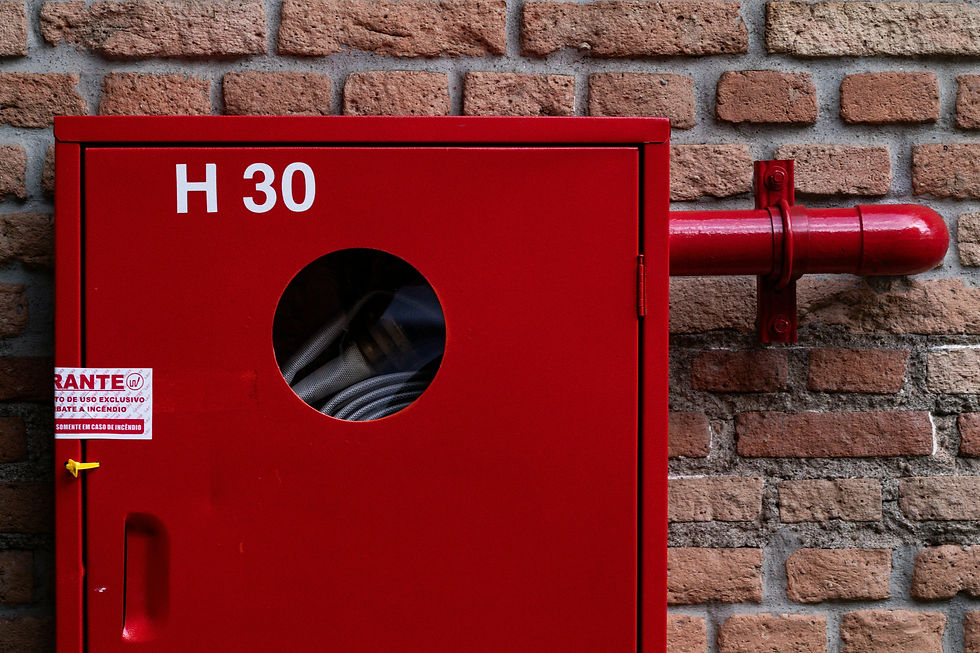
What's the cost of compliance? What's the cost of non-compliance? Let's compare.
Cost of Compliance
• Fire risk assessment: £200-500
• Fire safety measures: £500-2,000
• Annual gas safety check: £50-150
• Records and documentation: £100-200
• Professional support: £200-500
• Total annual cost: £1,050-3,350 per property
Cost of Non-Compliance
• Criminal fine: £20,000-unlimited
• Civil compensation: £10,000-100,000+
• Property prohibition: Lost revenue (£500-2,000/month)
• Legal fees: £5,000-20,000+
• Reputational damage: Lost business
• Total potential cost: £50,000-500,000+
The cost of compliance is minimal. The cost of non-compliance is massive.
Conclusion: Compliance Is Non-Negotiable
Compliance matters. The Fire Safety Order (2005) and Gas Safety Regulations (1998) set out
strict obligations for HMO and serviced-accommodation landlords.
Regular checks and up-to-date certificates protect tenants and shield landlords from fines.
Compliance is not optional. Compliance is not negotiable. Compliance is essential.
Get compliant. Stay compliant. Protect your tenants. Protect your business.
Ready to Ensure Compliance?
If you need help ensuring fire safety and gas safety compliance, we can help. We provide
comprehensive support including:
• Fire risk assessments and implementation
• Gas safety checks and maintenance
• Record keeping and documentation
• Tenant communication and information
• Ongoing compliance verification
• Emergency support when needed
Our goal is to help you ensure compliance and protect your tenants and business.
Visit comfortandco.uk to learn more.
Or contact us on WhatsApp: +44 330 341 3063
Let's help you ensure fire safety and gas safety compliance.
Comments